The Artistic Garden

Nurturing gardens and cultivating creativity.

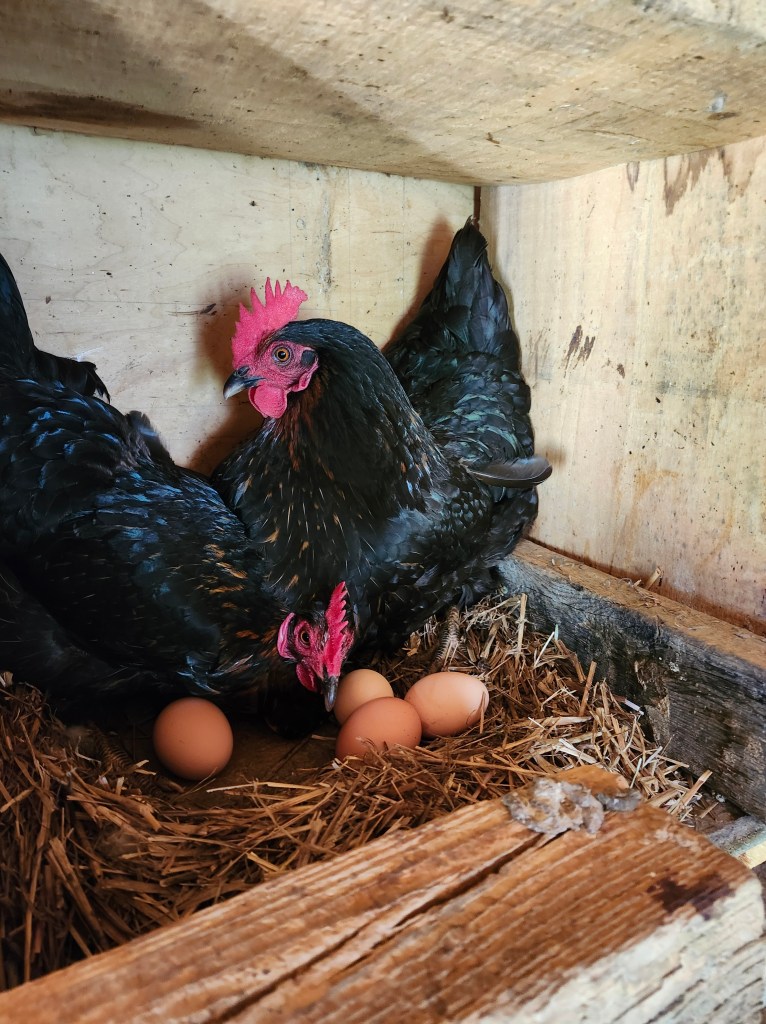
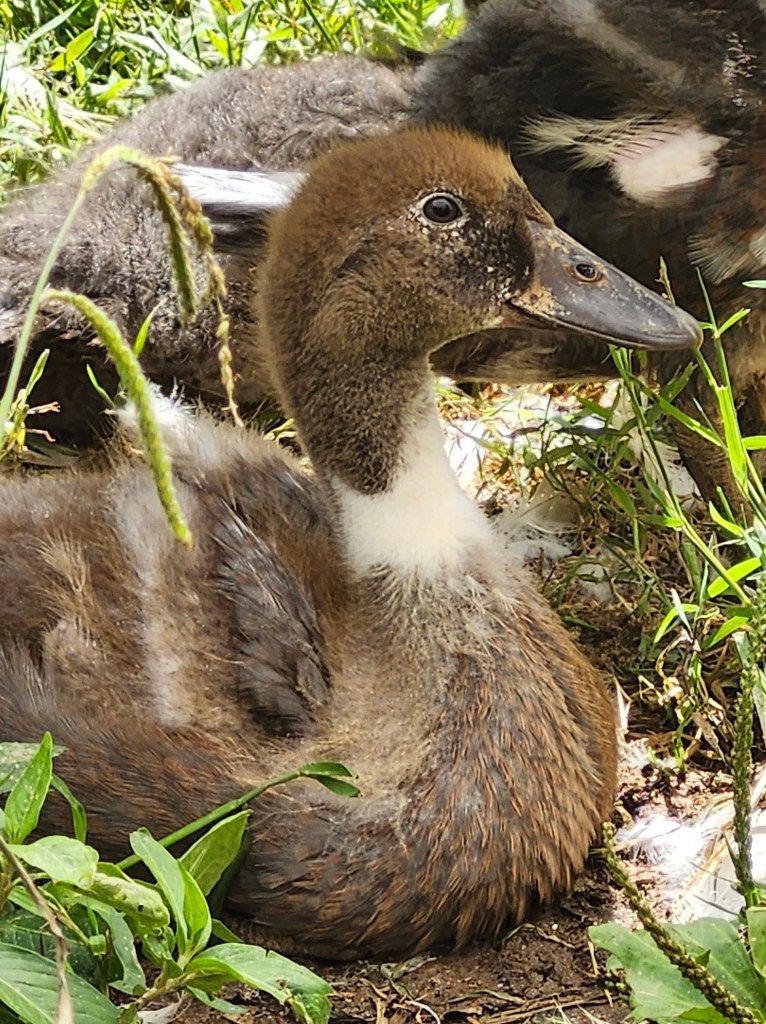
  • As a nature-loving enthusiast and children’s book author, I’m thrilled to share my experience with keeping ducks and chickens in my garden. These feathered friends not only provide an entertainment resource for my short stories but also contribute to a thriving ecosystem.

    Benefits of Keeping Ducks and Chickens

    The antics and quirks of chickens and ducks can provide endless inspiration for storytelling, from silly adventures to heartwarming moments. They maintain a pecking order so there are always squabbles about who is in charge.
    Ducks and chickens love to snack on insects, slugs, and snails, reducing the need for pesticides and maintaining a balanced ecosystem.
    Their manure is a natural fertilizer great for enriching the soil and promoting healthy plant growth. With composting, I generally create one pile of their used bedding every six months, layered with grass clippings and weeds, and use it the following year in the garden.
    Fresh eggs from your own backyard are a delicious and nutritious reward for your efforts. I love the duck eggs and chicken eggs equally but the duck eggs tend to be bigger.

    Tips for Keeping Ducks and Chickens

    Ensure your coop is well-ventilated, predator-proof, and easy to clean. Eventually predators will find your flock so a strong coop is your best investment.
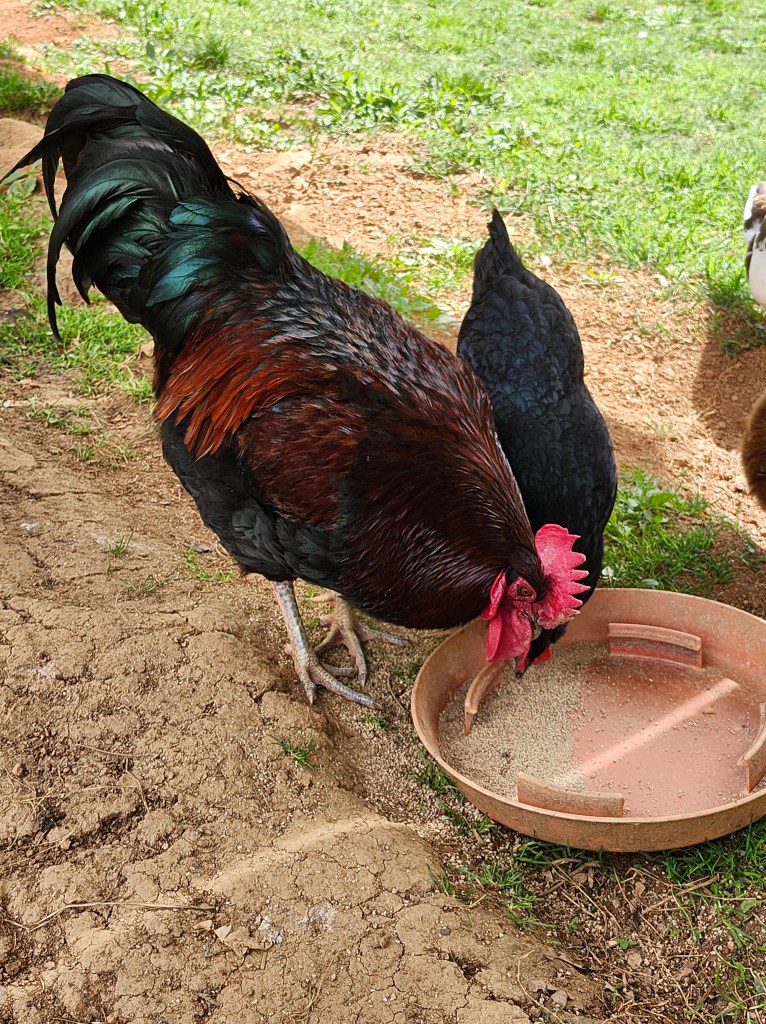
    Supplement their feed with fruits and vegetables to keep them happy and healthy. Chickens and ducks are omnivors. I grain mine with all flock layer feed daily but alway give them fruit and veggies from my garden.
    Provide adequate space for your ducks and chickens to be entertained and stimulated. My birds are kept in a 70×200 foot fenced yard that has several trees and bushes for them to explore and I also allow them to roam around outside their yard to rummage through the front gardens for bugs.
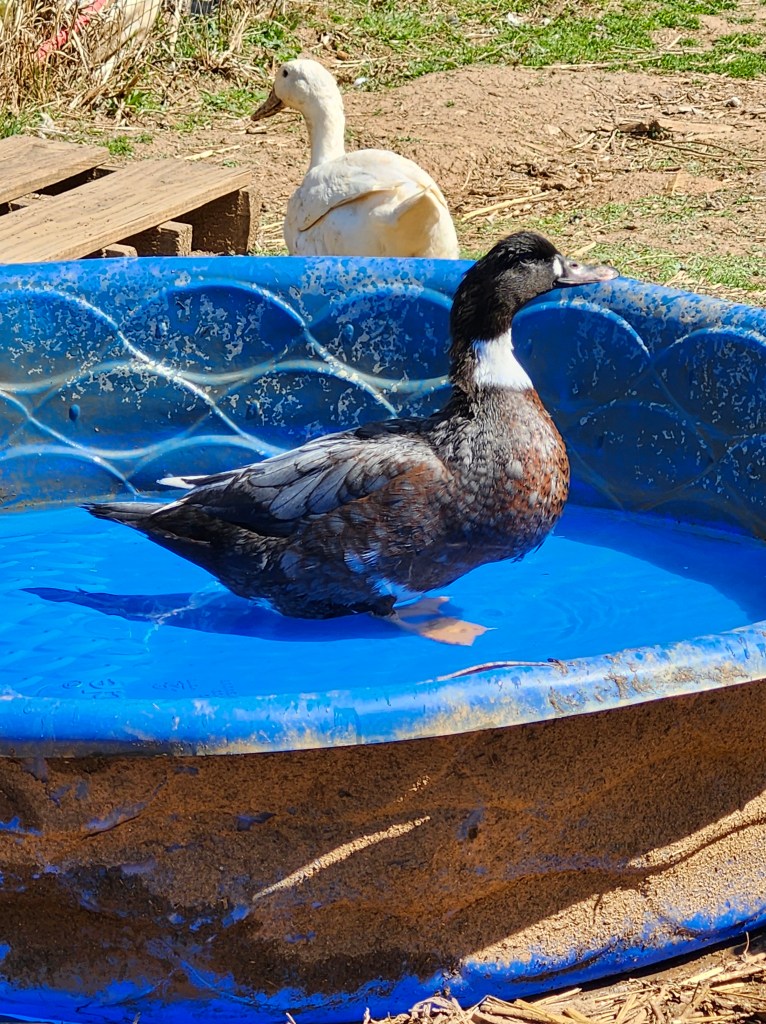
    By incorporating ducks and chickens into your garden, you’ll not only enjoy the benefits of fresh eggs and pest control but also create a unique and engaging outdoor space that’s perfect for relaxation and entertainment. So why not give it a try? Your garden and your feathered friends will thank you!
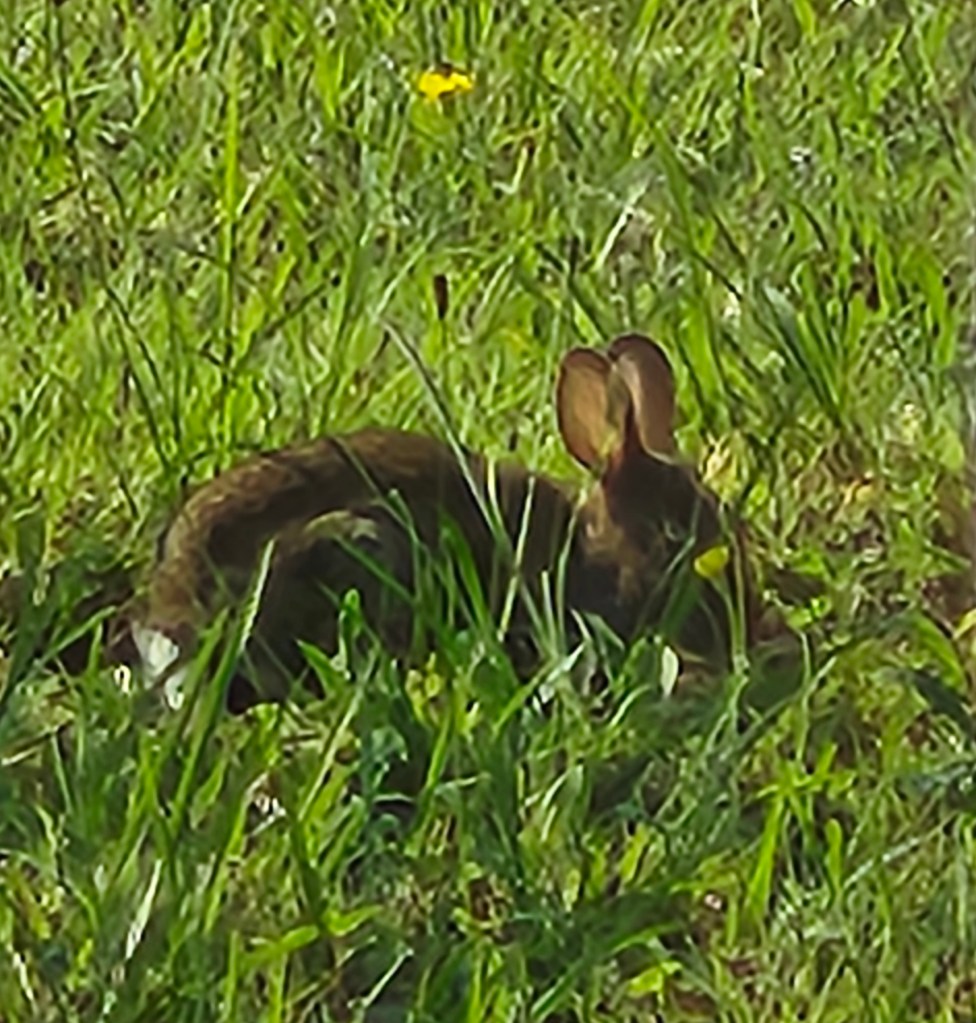
  • It’s been over a week and though I visit my garden every day to tend to my ducks; chickens and rabbits, I haven’t gotten started with the garden yet. It’s a hot mess. I figure I need to get out there around 6am to beat the heat of the day and try to finish up by 9:30am.

    One motto I firmly believe in is that it is never too late to start a garden. I live in zone 7b where kitchen gardening activity generally starts around mid April. If you have a greenhouse or a place to start your seeds indoors you can begin seeds in February and March. I started some seeds but I never got the garden ready for the transplants so my goal is to plan a fall garden, focusing on cold hardy plants like beats, carrots, broccoli, lettuce, chard and maybe some fast growing summer crops like zucchini and bush beans.

    One thing I’m definitely going to change is my focus from fruits and vegetables to flowers and herbs. I’m hoping that this will require less work. My overall goal for the garden was to grow anti-inflammatory foods to help me with managing Rheumatoid Arthritis; but the work of processing fruits and fighting pests organically is overwhelming. There are days I just can’t stay out there to manage things. I’m hoping a flower and herb focused garden will be less stressful. With this I can still grow anti-inflammatory herbs and edible flowers that are more pest resistant and perennial.

    Last year’s garden was beautiful and abundant. It was my first time growing amaranth, sunflowers, and zinnias; however, the constant battle with squash bugs and cucumber beetles on my veggies left me exhausted. I’m hoping that this new focus will allow me to enjoy my garden more, with less stress and more time to appreciate the beauty and wildlife it attracts. It’s all about finding balance.

    Anyway, let’s see what these changes will yield. I’ve already purchased new steel garden boxes, lots of shade cloth and new seeds; so, hopefully, I’ll be ready for my first garden reveal next week.

    I look forward to your comments.

  • Standing amidst elbow high weeds and overgrown perennials in my 44ft x 50ft backyard kitchen garden, I simply feel overwhelmed as I mentally prepare to revamp the space. This garden, once a source of joy and nourishment, has been neglected due to health issues. I know, however, that it is all up to me to take the first steps towards reclaiming it.

    My goal is not to create a perfect garden, but to cultivate a space that brings me joy, edible produce, and serenity. I hope that by sharing my journey, I can also inspire others to chime and  share their stories on tending their own gardens – whether that’s a small balcony or a sprawling backyard.

    Having faith in my purpose will serve as a powerful motivator in facing my toil in the soil. For me, it’s about creating a space that not only provides fresh produce to help manage my Rheumatoid Arthritis but also a garden that is organized and pleasing to the eye. 

    When I’m faced with an overwhelming task, it’s very easy for me to procrastinate or get stuck in analysis paralysis. To combat this I use simple mantras like, “There’s nothing to it but to do it” or “En et va” (let’s go) to help me shift from a planning mode to action. Though thinking is an action,  it’s essential not to overthink. I tell myself to just get out there and pull some weeds.

    In this weekly journal, I’ll share tips and tricks, triumphs and setbacks, and the beauty that emerges from the process. I’ll explore the therapeutic benefits of gardening, and how it can be a source of inspiration and renewal.

    I hope you will follow with me  as I work through my gardening challenges to discover the beauty that lies within. I’m excited to share this process with you, and I hope this will inspire you.

    As I begin, I’m reminded that gardening is a process that requires patience, persistence, and dedication. I’m not going to fix it in a few days and in truth there will always be challenges to overcome;  but I view this as a meditative and relaxing exercise that grounds me with nature; and gives me inner peace.

    I’m excited to share my progress with you and hopefully inspire you to share your gardening journeies with me.

    Again, I hope you will follow with me  as I work through my gardening challenges to discover the beauty that lies within. Let me know about your gardening aspirations, reflections and issues. I look forward to reading your comments.

  • I express gratitude through reflecting on my life and being thankful for my blessings. I sit silently to feel the deep emotional pull of thankfulness for each blessing. With those around me, I tell them thank you; but with negative encounters it is not so easy being grateful. I try to to deescalate and show compassion and understanding. I believe there are positive and negative blessings There are times that bring us instant joy; but there are also hardships that challenge us. Both are blessings, though and showing grace allows us to find resolution and growth.

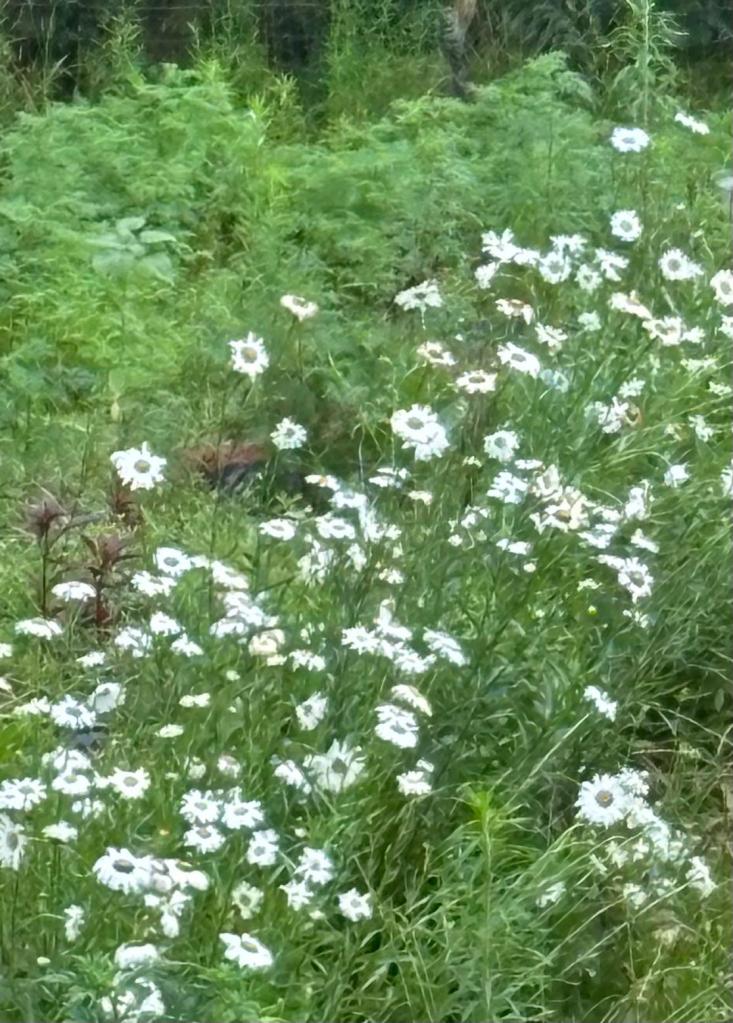
  • As I step into my garden, I’m met with a sea of weeds and remnants of last year’s blooms. It’s clear that life got in the way, and my garden has fallen into disarray; however, amidst the chaos, there is opportunity. The perennials and self-seeders that have taken over are a testament to the garden’s resilience and potential.

    In life, we often face setbacks and unexpected detours; but it’s in these moments that we can choose to accept, adapt, and move forward. For me, that means embracing the downtime and taking small, intentional steps to restore my garden to its former glory.

    I’ve begun to envision a renewed garden, one that bursts with color, texture, and life. Here’s my plan:

    1. Clear the Canvas:: I’ll start by clearing out the weeds and debris, making way for new growth.
    2. Assess and Revitalize: Next, I’ll assess the soil’s health and revitalize it with organic amendments.
    3. Small Steps: I’ll begin with a small, manageable section, focusing on a few key plants and features.
    4. Creativity in Action: As I work, I’ll incorporate creative elements, like repurposed planters and garden art.

    Anytime is a good time to grow.

    It’s easy to get discouraged when our gardens don’t look like the Pinterest-perfect ones we see online. But the truth is, anytime is a good time to grow a beautiful garden. Whether you’re starting from scratch or reviving an existing one, the key is to start small, be creative, and enjoy the journey.

    Inspiration and Reflection

    As I work in my garden, I’m reminded of the themes that run through my children’s picture books: resilience, growth, the beauty of imperfection and working with nature. These stories are woven from the threads of my own experiences, and my garden is a reflection of that journey.

    Follow Along

    I’d love for you to join me on this journey of renewal. Let’s grow beautiful gardens, one small step at a time. Share your own garden stories and tips in the comments below, and let’s inspire each other to create spaces that nourish our souls.

    Artistic Reflection

    As I look out at my garden, I see a canvas waiting for brushstrokes of color and life. I’ll be sharing my artistic reflections and inspirations from the garden in future posts, so stay tuned!

    Until Next Time

    Thanks for stopping by the Artful Garden. May your own garden (or creative pursuit) bring you joy, inspiration, and a sense of connection to the natural world.